
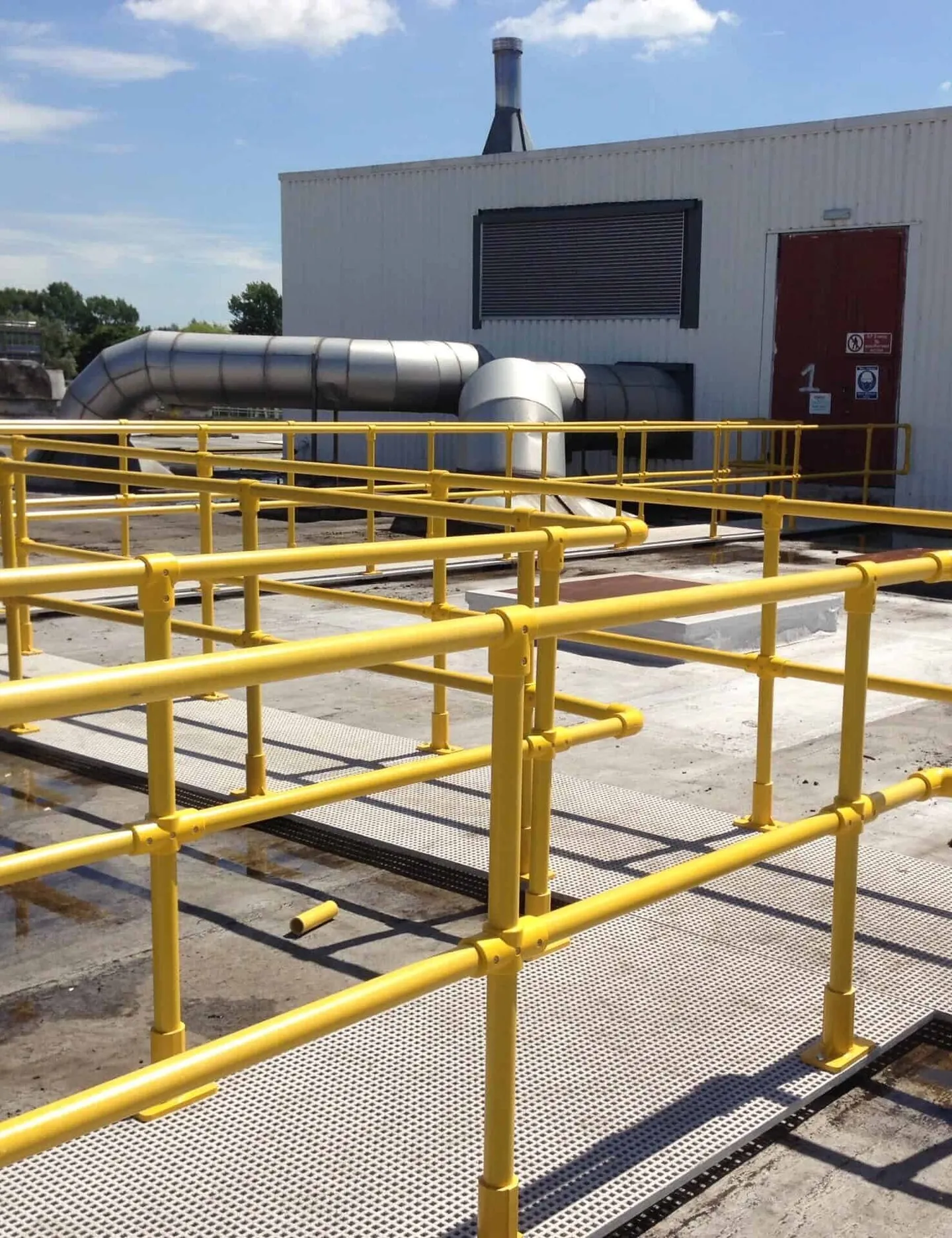
Tough sites need materials that keep working for years. Glass Reinforced Plastic gives strength without heavy weight. Corrosion resistance beats most metals in wet or chemical settings. A solid GRP manufacturer keeps tight control over fibre placement and resin cure. Discipline in the process sets the real service life of each piece. Engineered Composites turns out parts built for actual working loads. Chemical plants and coastal works rely on these materials day after day. Proper material pick cuts repair spend over long periods. Practical laminate knowledge keeps performance steady in the field.
Load Capacity via Fibre Layout Decisions
Glass fibres take the main pull forces inside the laminate. Resin locks the fibres in place and stops moisture getting in. Polyester resin suits everyday structural panels and beams. Vinyl ester resin fights harder chemical attack inside tanks. Epoxy resin deals with higher heat and stronger bonds. Fibre angle sets the strength along the main load lines. Continuous strands raise performance in the primary direction. Chopped mat spreads strength more evenly across the sheet. Surface tissues lift weather resistance and surface quality. The GRP manufacturer that matches the mix to the duty delivers lasting parts.
Form Accuracy by Chosen Fabrication Paths
Hand lay-up handles large or odd shapes with simple tools. Spray work speeds open-mould panels and covers. Vacuum infusion pulls resin through dry fibre under steady pressure. Fibre content climbs and voids drop with this method. Closed-mould transfer fills tools for clean faces on both sides. Filament winding lays continuous strands at exact angles for pipes and tanks. Pultrusion makes straight profiles of fixed cross-section. Compression moulding presses smaller pieces to close tolerances. Each path needs its own tools and timing. A capable GRP manufacturer picks the path that fits the drawing.
Consistency Checks in Every Production Phase
Incoming fibres and resins face density and flow tests first. Operators watch wet-out to stop dry spots forming. Thickness gauges confirm laminate depth matches the plan. Hardness tests show if the cure has reached the mark. Sample pieces go through tensile and bend tests for strength figures. Chemical baths put material under the fluids it will face. Final sizes get careful measurement before dispatch. Batch records link every piece to its materials and process steps. These checks mark quality work by any serious GRP manufacturer. Clear logs ease audits and cut later site trouble.
Service Suitability Across Tough Environments
Chemical plants need tanks and ducts that stand up to acids and solvents. Water works use covers and walkways that never rust. Marine structures call for hulls and decks that survive salt water. Building sites fit gratings and rails that stay light yet strong. Power and rail jobs gain from non-conductive trays and supports. Vehicle makers cut weight with composite panels and frames. Bridge and walkway schemes take glass-reinforced sections for long life. Engineered Composites supplies parts set for each of these duties. Right formulation keeps maintenance low across long runs.
Structural Integrity via Early Design Input
Load lists must cover static force, movement and weather effects. Stress models flag weak zones before tools are cut. Joints and edge seals need tight detail to block moisture. Fire rules may call for special additives in the resin. Expansion rates differ from steel so gaps must allow movement. Finish needs guide the mould design and gel-coat choice. Early talks between design and production teams catch problems soon. Clear data on heat, chemicals and life span stop wrong specs. The GRP manufacturer that reviews drawings early improves the finished part. Sound design work unlocks the full value of the material.
Ownership Cost Against Metal Alternatives
Glass-reinforced plastic offers high strength at lower weight. It needs no paint system to fight corrosion. Non-conductive nature raises safety near electrical gear. Insulation cuts heat flow and condensation risk inside boxes. Single mouldings form complex shapes and cut assembly labour. Upkeep drops because the material does not rust or rot. Life-cycle cost often favours the composite once transport and care enter the sum. Engineered Composites works to lock in these gains in daily practice. Proven savings push wider use across many fields.
Supplier Review on Practical Experience Points
Past jobs in similar fields show real working knowledge. Own tooling capacity shortens waits and helps design changes. Support during design and install stages limits site problems. Quality certificates and material tracking build steady confidence. Capacity for both samples and full runs fits changing needs. Honest talk on limits and schedules forms solid trust. Staff training and equipment updates keep standards high. Site visits and sample checks confirm actual capability. The GRP manufacturer that meets these points supports project success. Steady delivery builds lasting supply links over time.
Resource Use in Modern Production Steps
Resins with lower styrene cut emissions during work. Careful cutting and lay-up lower scrap volumes. Light finished parts reduce fuel use in transport. Long service life means fewer replacements and less resource demand. Some plants test bio-based resins and recycled fibres where strength allows. Recycling or energy recovery offers routes at end of use. Efficiency checks help cut impact while holding structural quality. Engineered Composites reviews material and process choices with these points in mind. Specs now often balance performance with environmental care.
Final Thoughts
Choice of GRP manufacturer decides how far composite benefits reach the site. Care with fibres, resin and process control builds parts that last. Method and inspection must fit the job to avoid later cost. Early joint work on design cuts risk and improves fit. Strength and low upkeep keep glass-reinforced plastic in steady demand. Reliable partners such as Engineered Composites prove that quality and support stay within reach. Projects that focus on these points gain longer life and lower total cost.
FAQs
What points guide selection of a GRP manufacturer?
Past work in matching fields, clear quality systems and solid technical support stand as the main guides. Flexible processes and material skill allow accurate product fit to the job. Open talk on limits and schedules sets realistic plans from the start.
How does process choice affect final part quality?
Open methods suit large shapes while infusion and closed moulds raise fibre levels and cut voids. Winding and pultrusion set fibre angles for strong continuous sections. Process choice shapes strength, finish and cost of the finished item.
Why does chemical resistance matter in plant and marine work?
Harsh fluids and salt water attack metals without constant protection. Glass-reinforced plastic stands up to acids, alkalis and seawater without coatings. This trait lengthens service time and lowers repair needs in tough settings.
How does resin type influence product durability?
Polyester covers standard structural work while vinyl ester and epoxy face stronger chemicals and heat. Right resin choice stops breakdown and holds strength over the planned life. Match to the working conditions stays key for steady performance.