
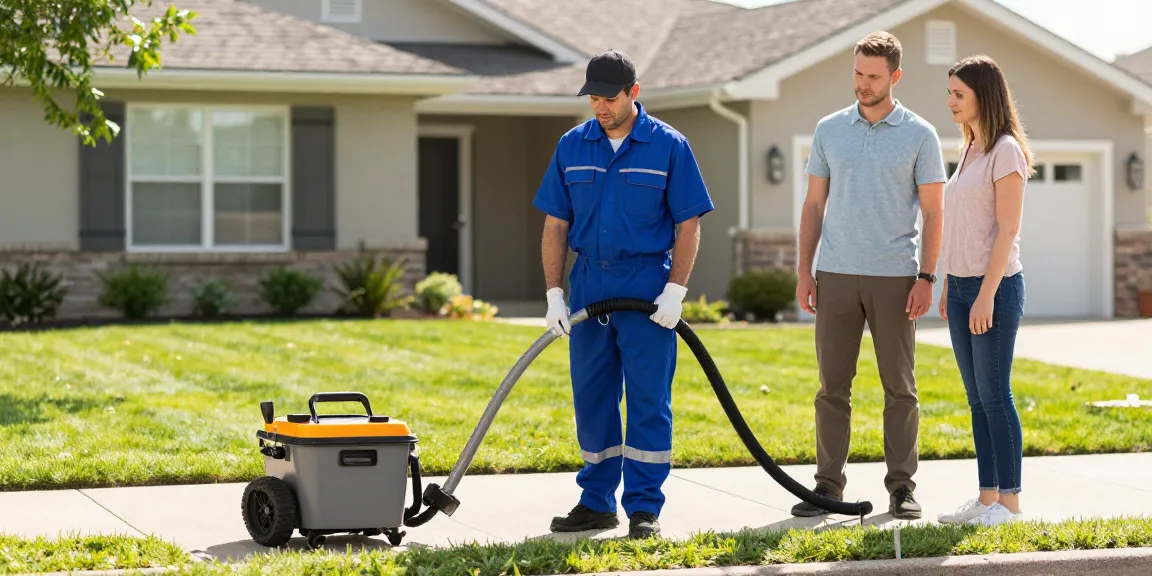
Understanding Septic Pumping Services
When it comes to maintaining a home or property, regular maintenance of your septic system is often overlooked but essential for long-term functionality and safety. Proper septic pumping ensures that your septic system operates effectively, preventing unexpected backups and costly repairs. In this article, we will delve into the specifics of septic pumping, including its significance, how septic systems function, and what to expect from a quality septic pumping service.
What is Septic Pumping?
Septic pumping is the process of removing accumulated solid waste and sludge from the septic tank to maintain its proper functioning. Regular pumping eliminates the buildup of waste that can cause clogs and backups, preventing damage to both the septic system and your property. Most homeowners are advised to have their tanks pumped every 3 to 5 years, but this can vary based on several factors such as the size of the tank and the number of occupants in the household.
How Septic Systems Work: An Overview
A septic system is a decentralized wastewater treatment system that is typically utilized in rural areas or where municipal sewer services are unavailable. The system consists of two main components: the septic tank and the drain field. Wastewater from your home flows into the septic tank, where it is separated into three layers: solids, liquids, and scum. The liquid layer is then discharged into the drain field for further filtration and treatment, while the solids accumulate and need to be periodically pumped out to maintain the system’s operational integrity.
Importance of Regular Septic Pumping
Regular septic pumping helps to avoid numerous problems that can arise from neglecting maintenance. A full septic tank can lead to wastewater backing up into your home, creating hazardous conditions and expensive repairs. Additionally, a poorly maintained septic system can impact groundwater quality, posing health hazards to the community. By adhering to a regular pumping schedule, homeowners not only ensure their system functions smoothly but also contribute to environmental protection.
Choosing a Trusted Local Septic Pumping Provider
Finding a reliable service provider for septic pumping can seem daunting, but knowing what to look for can make the process smoother. It’s essential to choose a licensed, bonded, and insured professional who understands the nuances of your local area and septic regulations.
Key Qualities of a Professional Septic Service
- Experience: Look for companies with a strong track record in your community.
- Certifications: Ensure they are certified and follow industry best practices.
- Customer Reviews: Check online reviews and testimonials from local homeowners.
- Transparency: A good provider should offer clear and detailed estimates for their services.
- Emergency Services: Consider companies that provide emergency septic services in case of breakdowns.
Checking Licenses and Insurance
Before hiring a septic pumping service, verify that they are fully licensed and insured. Licensing ensures that they adhere to industry standards, while insurance protects you against liability in case of accidents or damages during the service. Most states require septic service providers to operate under specific regulations, so it’s wise to check for compliance with local laws.
How to Find the Best Provider in Your Area
Start your search by asking friends, neighbors, or colleagues for recommendations. Additionally, consider utilizing online platforms or directories specializing in local service providers. Websites like Yelp or Angie’s List can provide valuable information, including customer reviews, service ratings, and pricing estimates, enabling you to make an informed decision.
Septic Pumping Costs: Pricing Guide for 2026
Understanding the cost of septic pumping can help you budget for this essential service effectively. The pricing often varies based on location, tank size, and the complexity of the job.
Factors Affecting Septic Pumping Costs
- Tank Size: Larger tanks generally require more time and resources to pump.
- Accessibility: If the tank is difficult to access, it may increase labor costs.
- Location: Prices can differ significantly based on regional service demands and requirements.
- Additional Services: If your system requires repairs or other services during pumping, expect to pay more.
Typical Cost Ranges in Your Region
In 2026, homeowners can expect to pay between $250 to $895 for septic pumping, depending on their specific circumstances. Smaller tanks (under 750 gallons) may be at the lower end of this spectrum, whereas larger tanks could approach or exceed $895. It’s crucial to request detailed estimates from several providers to establish a fair market price for your area.
Emergency vs. Routine Septic Pumping Costs
Emergency septic pumping services typically come at a premium, often costing 20-50% more than routine services. This can be due to the urgent nature of the call and the necessity for a quick response from the service provider. To avoid these extra costs, it’s advisable to adhere to a regular pumping schedule.
Maintaining Your Septic System: Tips and Recommendations
Maintaining your septic system involves more than just regular pumping. Being proactive can extend the life of your system and prevent costly repairs down the road.
Seasonal Maintenance Guide for Septic Systems
- Spring: Check for any visible signs of damage around the tank and drain field.
- Summer: Conserve water usage to reduce strain on the system, especially during hot weather.
- Fall: Prepare for winter by ensuring the tank is insulated, if necessary.
- Winter: Avoid parking vehicles on or near the septic area to protect the system.
Common DIY Maintenance Tasks
Homeowners can perform some simple maintenance tasks to ensure their septic systems run smoothly. Regularly monitoring water usage, avoiding flushing non-biodegradable items, and keeping the area around the septic tank clear of debris are all effective strategies. Additionally, using enzyme cleaners can help break down waste, but it’s crucial to avoid chemical drain cleaners that can harm the system.
When to Call a Professional for Help
If you notice slow drains, gurgling sounds, or unusual odors in your yard, it’s time to contact a professional. Such signs can indicate serious issues that require immediate attention. Avoiding these signals can lead to more significant problems, including backup or complete system failure.
Real Customer Experiences with Septic Pumping Services
Gathering insights from past customers can provide a clearer image of what to expect from a septic pumping service. Real experiences reveal not only the effectiveness of the service but also the company’s commitment to customer satisfaction.
Reviews and Testimonials from Local Homeowners
Customer reviews are an excellent resource for finding a reputable provider. Look for feedback that emphasizes timely service, professional behavior, and value for money. Many satisfied customers willingly share their experiences about how well their septic services were managed.
Before-and-After Case Studies
Successful septic service providers often have documented case studies showcasing before-and-after scenarios of pumped systems. These are helpful in illustrating the tangible improvements achieved through their services, including enhanced functionality and reduced risks of failure.
The Importance of Community Reputation
A strong community reputation is invaluable when selecting a septic pumping company. For more information, Miltonsepticpumping.com offers valuable insights. Providers with a history of positive community engagement and satisfied customers are often more reliable. Local businesses often depend on word-of-mouth referrals, so a good reputation can be a strong indicator of service quality.


